Preparing your experience, please wait…

K
Spot Dx
45/F with acute chest pain and dyspnea
Cardiology
Share this case with colleagues or join the Osler WhatsApp group to discuss.
Case Presentation
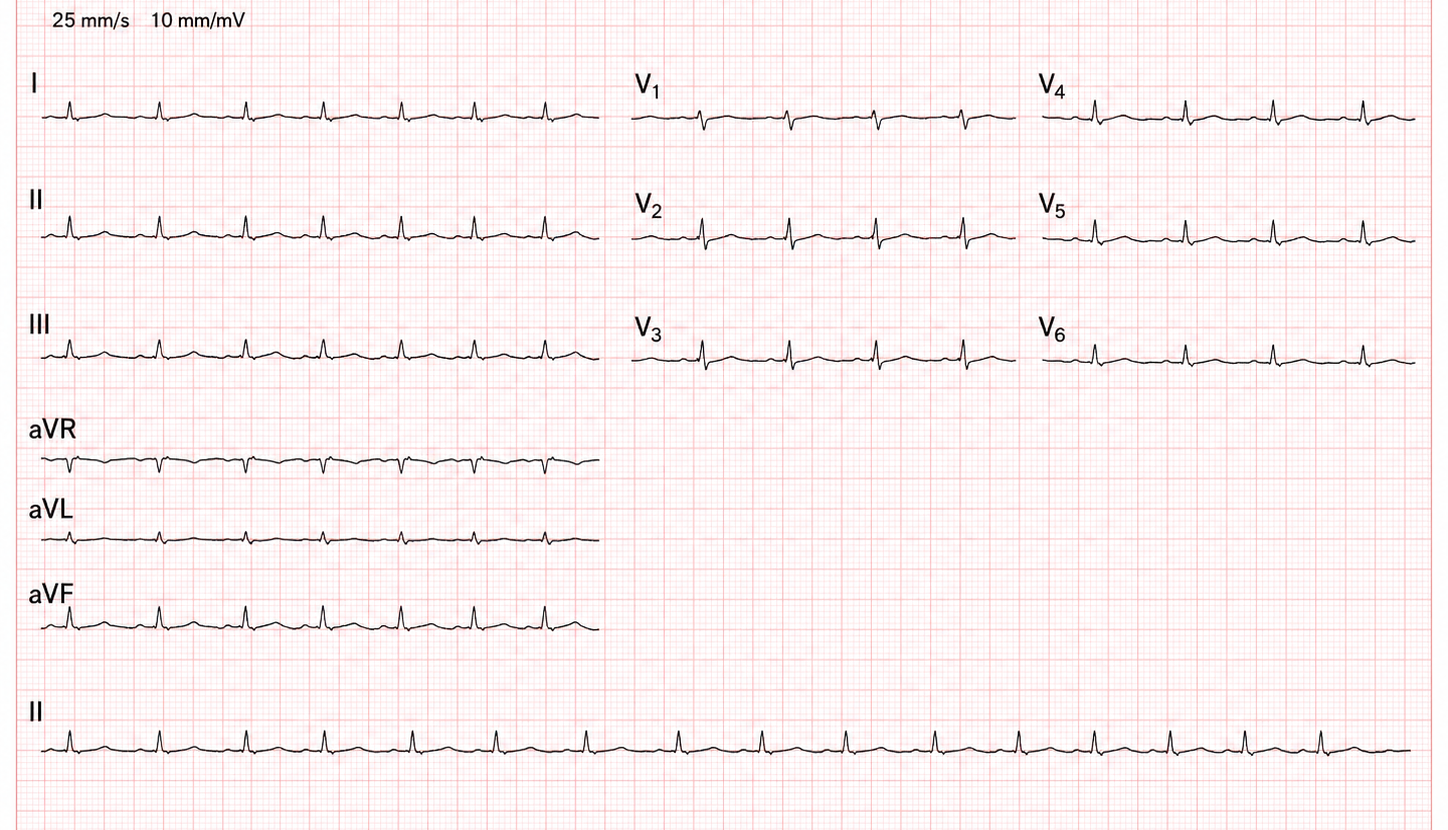
A 45-year-old female, who had recently been evaluated at a local clinic for symptoms of a febrile illness, presents to the emergency department with acute shortness of breath and chest pain that worsens with lying down. She reports a 2-day history of fever and dry cough, but no one with similar symptoms at home. Clinical examination reveals a blood pressure of 90/60 mmHg, a heart rate of 115 bpm, and an elevated jugular venous pressure (JVP). Heart sounds (1 & 2) are heard, but distant. An ECG shows low voltage QRS complexes, but no obvious ischemic changes. Troponin levels are mildly elevated, but not significantly so for her presentation. She has no history of heart disease, but her family reports a delay in seeking medical care due to financial constraints.
Question
What is the next best step in managing this patient, considering the clinical findings and potential limitations in diagnostic resources?
Answer
The next best step in managing this patient would be to initiate fluid resuscitation and consider further diagnostic workup for potential cardiac tamponade, given the symptoms of chest pain, shortness of breath, elevated JVP, and distant heart sounds. The low voltage QRS complexes on the ECG also support this diagnosis. However, given the resource limitations, a bedside ultrasound to assess for cardiac tamponade would be a practical and immediate next step, as it can provide rapid diagnostic information without the need for extensive laboratory or imaging resources. The patient's hypotension and tachycardia also suggest the need for prompt intervention to stabilize her hemodynamics.
Clinical Pearl
In resource-limited settings, bedside ultrasound can be a valuable tool for rapid diagnosis of life-threatening conditions like cardiac tamponade, allowing for timely intervention and potentially improving patient outcomes. However, as it is not always available, high index of suspicion should call for early escalation if unable.