Loading courses...

K
Medical Courses
“
We are here to add what we can to life, not to get what we can from it.
— W. Osler21 courses4 linked CMEs945 points
Internal Medicine|Advanced
Osler Round 1 - 60/M with persistent DIB: Case Discussion
Case discussion generated from Osler Round 1 - 60/M with persistent DIB.
20 min read50 Osler Points
Obstetrics & Gynaecology|Introductory
Osler Round 2 - 25/F at 32 weeks of gestation with severe headache: Case Discussion
Case Discussion from Osler Round 2 - 25/F at 32 weeks of gestation with severe headache.
20 min read50 Osler Points2 linked CMEs

Endocrinology|Intermediate
Adult Diabetic Ketoacidosis: Diagnosis, Emergency Resuscitation and Safe Transition of Care
Diabetic ketoacidosis is a life-threatening diabetic emergency requiring early recognition, careful fluid resuscitation, fixed-rate intravenous insulin, potassium replacement, frequent monitoring, and safe transition back to subcutaneous insulin. This course provides a practical, bedside-focused approach to adult DKA management using the Kiruddu National Referral Hospital adult DKA guideline, with emphasis on diagnosis, first-hour actions, bicarbonate-based response monitoring, hypoglycaemia prevention, and referral to specialist diabetes care.
45 min read80 Osler Points

Neonatology|Advanced
The PREWAVED Birth Asphyxia Care Bundle
An operational, step-by-step clinical training module outlining Uganda's standardized 7-step PREWAVED bundle to systematically predict, prepare for, and manage neonatal birth asphyxia at all levels of healthcare.
15 min read50 Osler Points
Pulmonology|Advanced
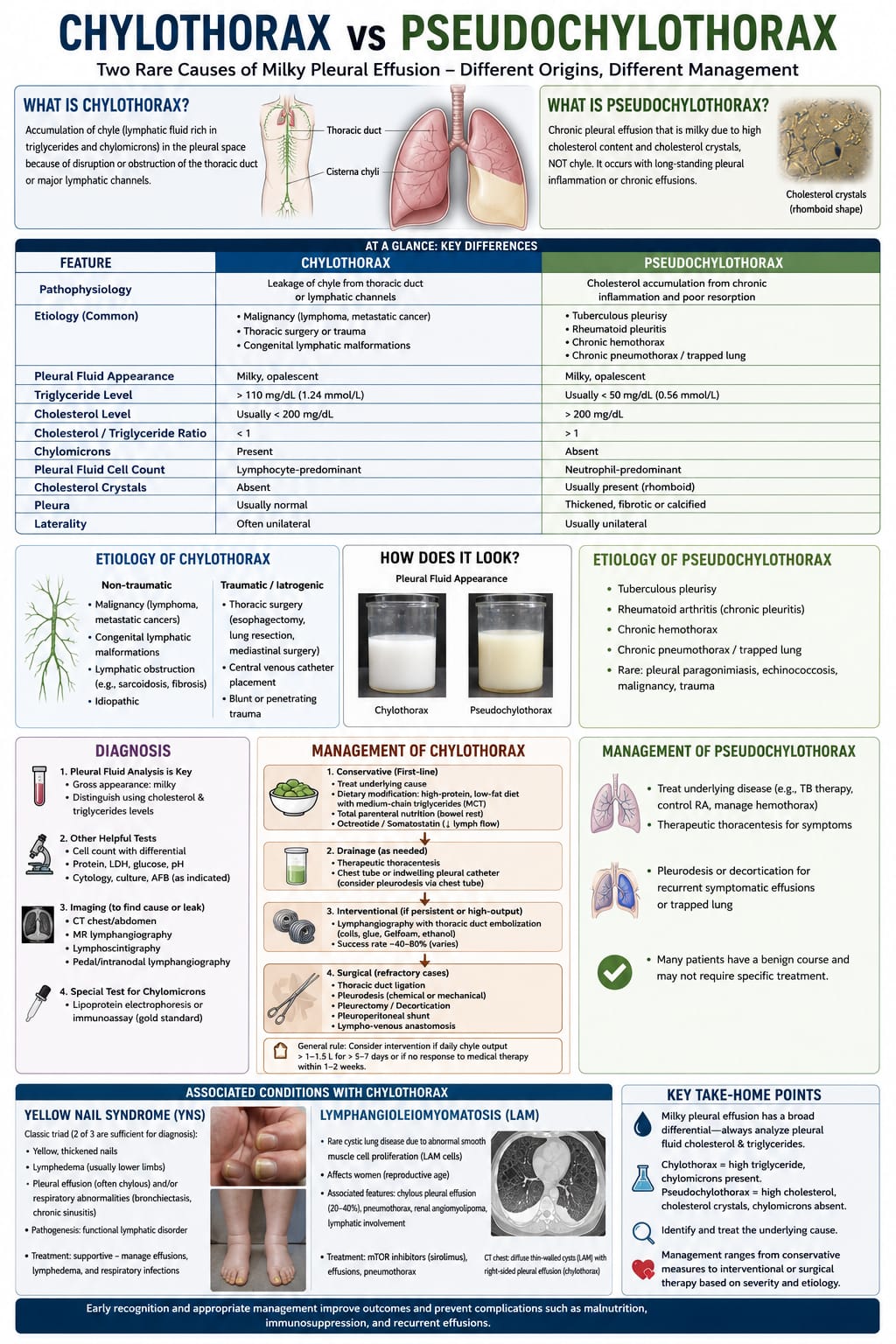
Differential Diagnosis and Management of Milky Pleural Effusions: Chylothorax vs. Pseudochylothorax
An advanced clinical guide on the distinct pathophysiological origins, biochemical markers, diagnostic criteria, and contrasting management strategies for chylothorax and pseudochylothorax.
15 min read50 Osler Points
Gastroenterology|Advanced
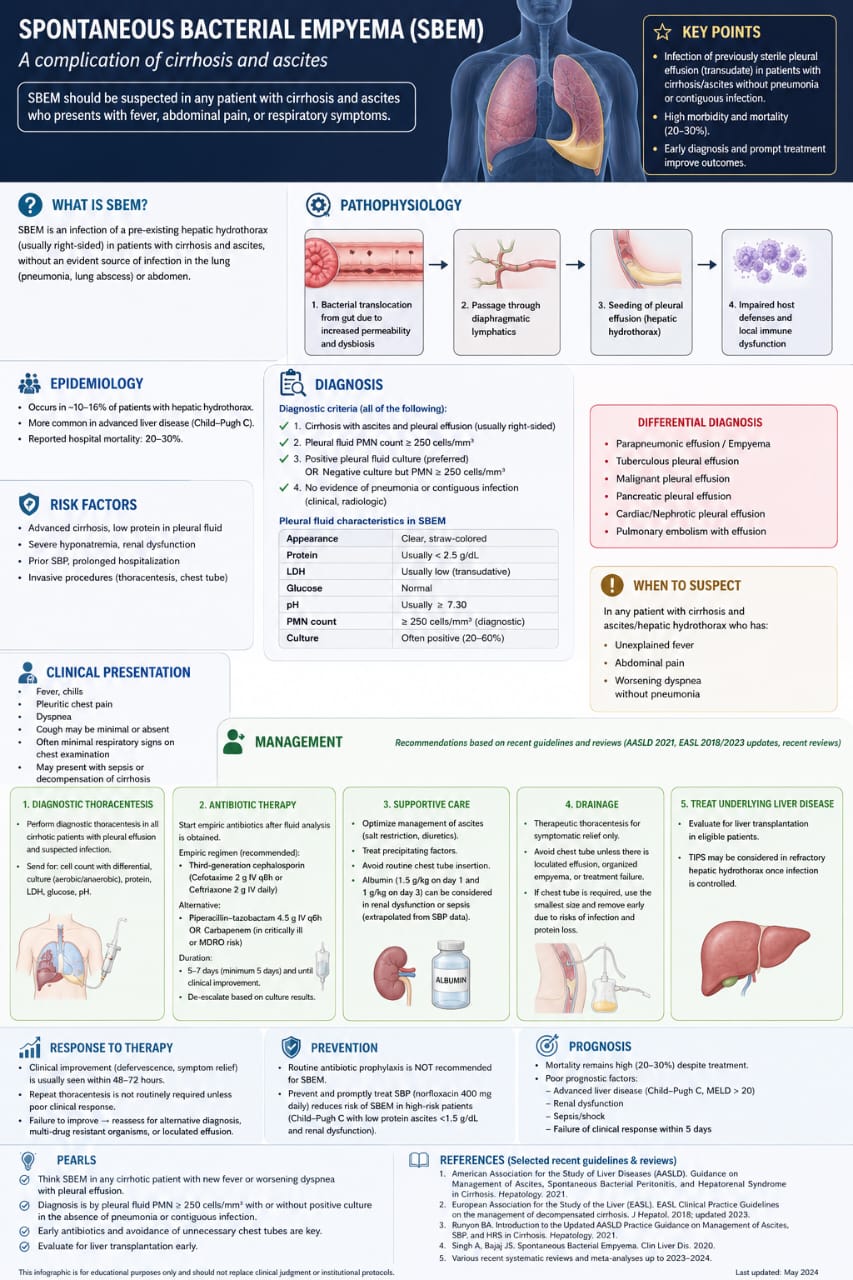
Spontaneous Bacterial Empyema (SBEM) in Cirrhotic Patients
An advanced clinical guide outlining the pathophysiology, diagnostic criteria, and management protocols for Spontaneous Bacterial Empyema—a critical complication of cirrhosis and hepatic hydrothorax.
15 min read50 Osler Points
Radiology|Intermediate
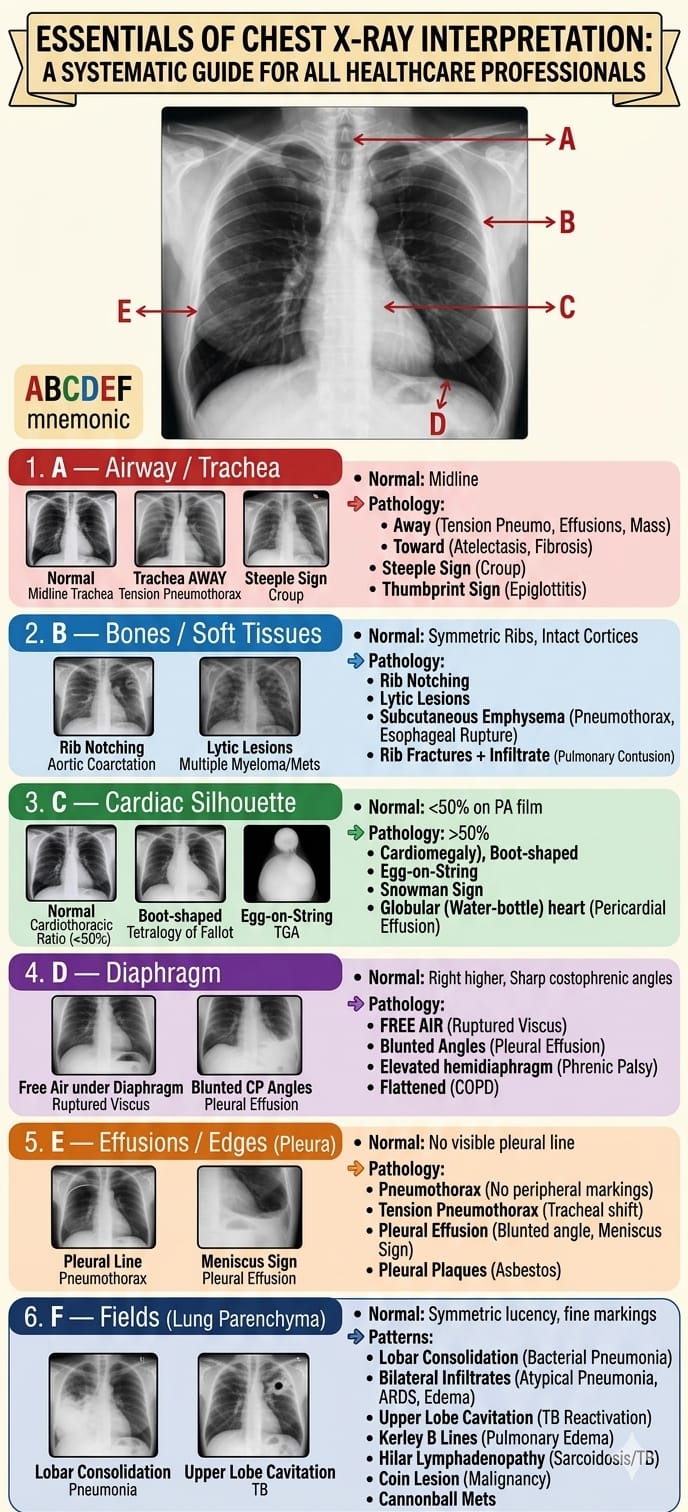
Systematic Interpretation of Chest Radiographs: The ABCDEF Approach
A structured diagnostic protocol utilizing the classic ABCDEF mnemonic to rapidly identify critical thoracic pathology, osseous abnormalities, cardiac silhouettes, and parenchymal patterns.
DDr. NINSIIMA Gerald15 min read50 Osler Points
Pulmonology|Advanced
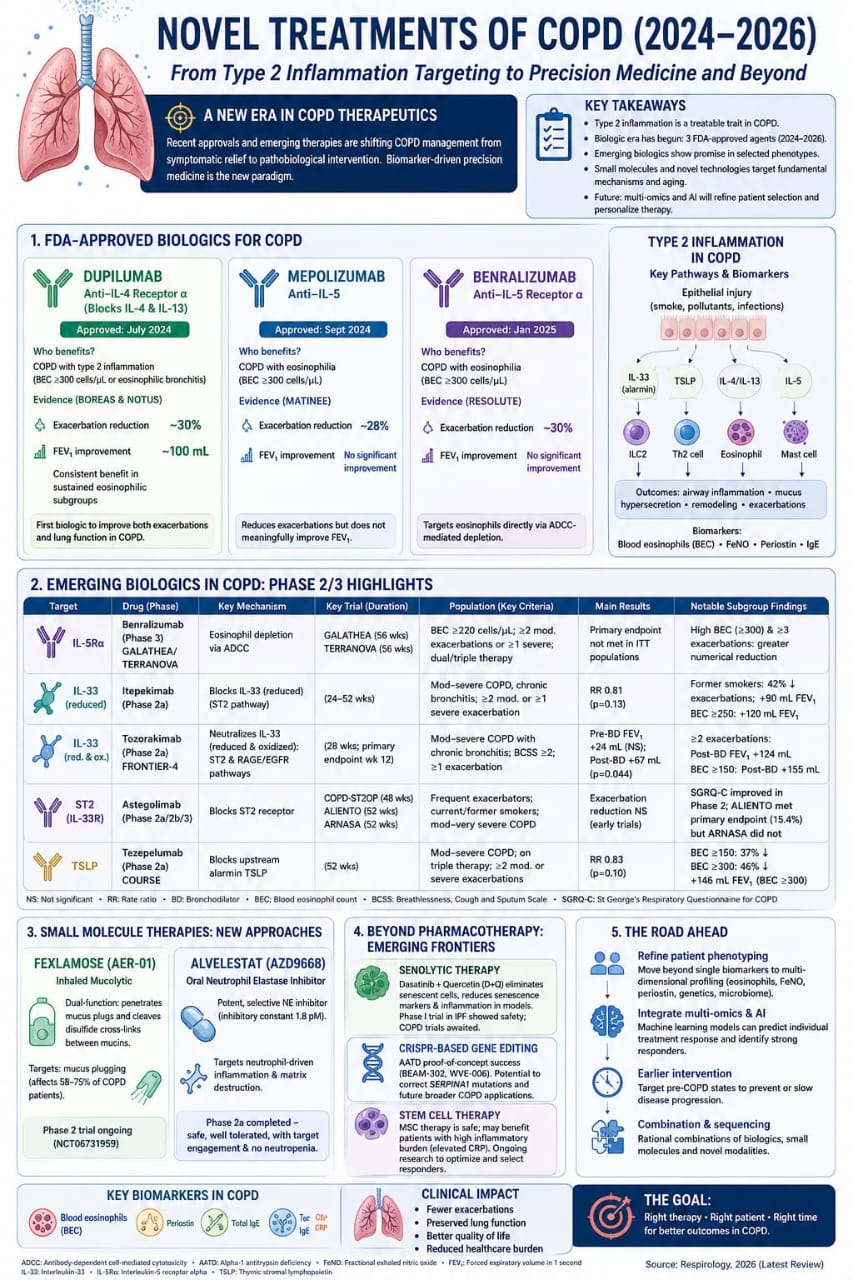
Precision Medicine in COPD: Type 2 Inflammation and Biologic Therapies
An advanced clinical guide exploring the shifting paradigm in COPD management from symptomatic relief to biomarker-driven pathobiological interventions using novel biologics and small molecules.
15 min read50 Osler Points

Gastroenterology|Advanced
Obstructive Jaundice in Cholangiocarcinoma
This advanced course explores obstructive jaundice as a major clinical presentation of cholangiocarcinoma, with emphasis on perihilar and distal cholangiocarcinoma. It is designed for medical officers, physicians, surgeons, radiologists, gastroenterology fellows, surgical trainees and oncology teams involved in evaluating patients with progressive jaundice. The course moves from basic recognition of obstructive jaundice to advanced interpretation of clinical, biochemical and radiological findings. It highlights how cholangiocarcinoma can mimic common conditions such as peptic ulcer disease, gallstone disease, hepatitis, pancreatic cancer, drug-induced liver injury and colorectal malignancy. The central teaching point is that cholangiocarcinoma often presents late and subtly. The clinician must recognize the pattern of cholestasis early, define the level of obstruction, assess resectability, prevent complications of prolonged biliary obstruction and refer appropriately.
15 min read50 Osler Points
Gynecology/Obstetrics|Advanced
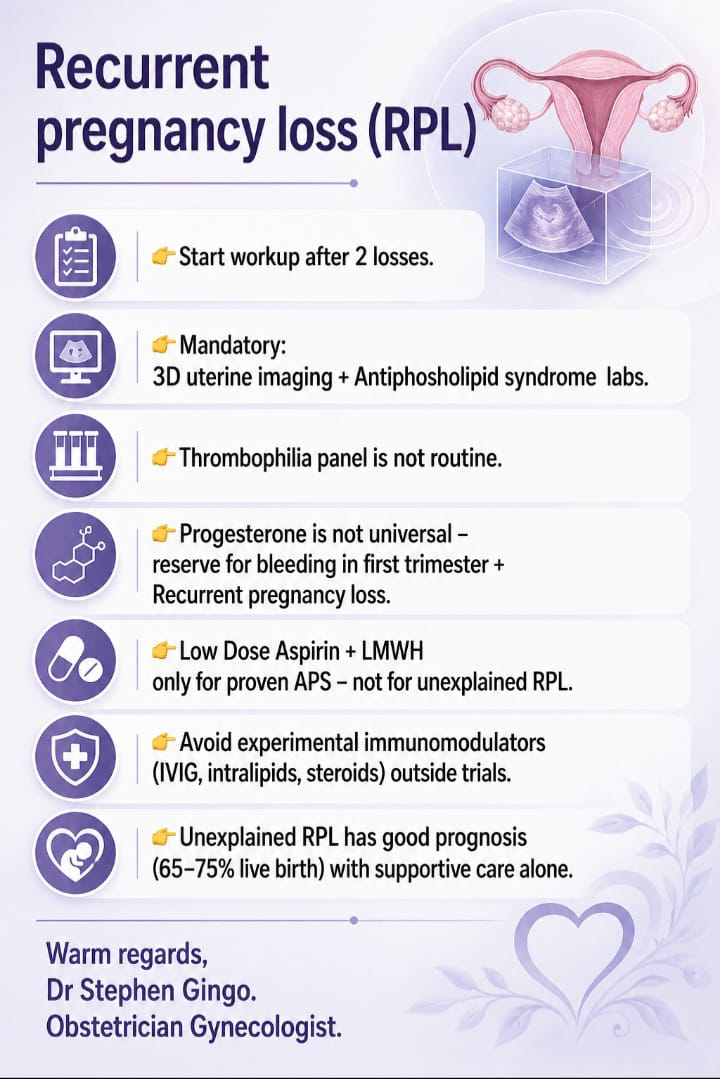
Clinical Management of Recurrent Pregnancy Loss (RPL)
An evidence-based operational protocol on the modern investigation, diagnostic criteria, and rationale-driven therapeutic interventions for Recurrent Pregnancy Loss (RPL).
DDr. Stephen Gingo15 min read25 Osler Points

Endocrinology|Intermediate
The Role of SGLT2 inhibitors in Management of Diabetes
A clinical guide on the definition, epidemiology, classification, pathophysiology, diagnosis, investigations, treatment goals, insulin use, and the role of SGLT2 inhibitors, especially Dapagliflozin, in the management of Type 2 Diabetes Mellitus.
20 min read50 Osler Points
Immunology|Advanced
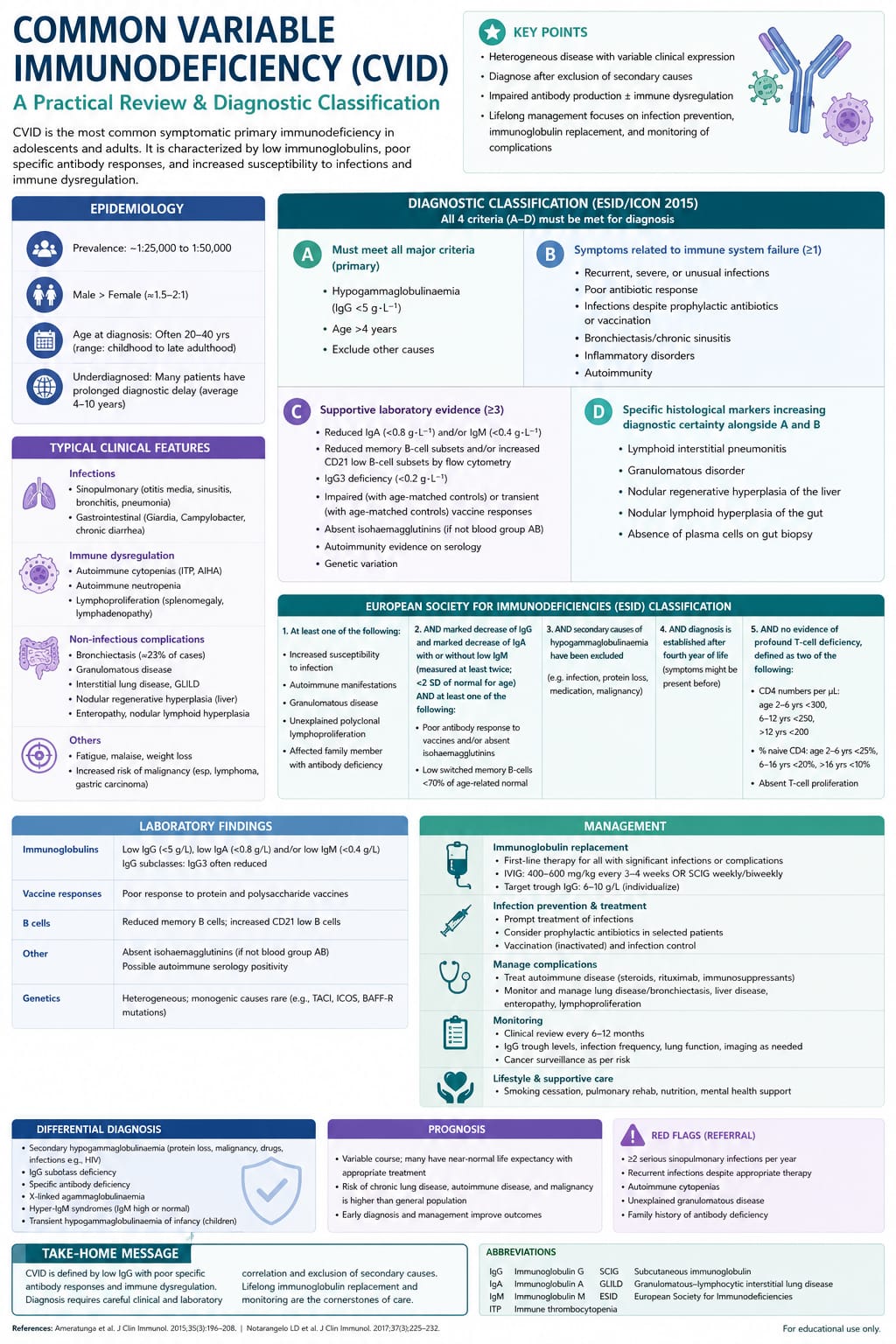
Clinical Overview of Common Variable Immunodeficiency (CVID)
An advanced clinical guide on the genetic landscape, immunological defects, diverse clinical phenotypes, diagnostic criteria, and long-term immunoglobulin replacement therapy for Common Variable Immunodeficiency.
15 min read25 Osler Points

ENT|Advanced
Management of Acute Mastoiditis
A structured clinical guide on the pathophysiology, staging, diagnostics, and urgent multidisciplinary management of acute mastoiditis and its life-threatening intracranial complications.
15 min read50 Osler Points
Infectious Disease|Advanced
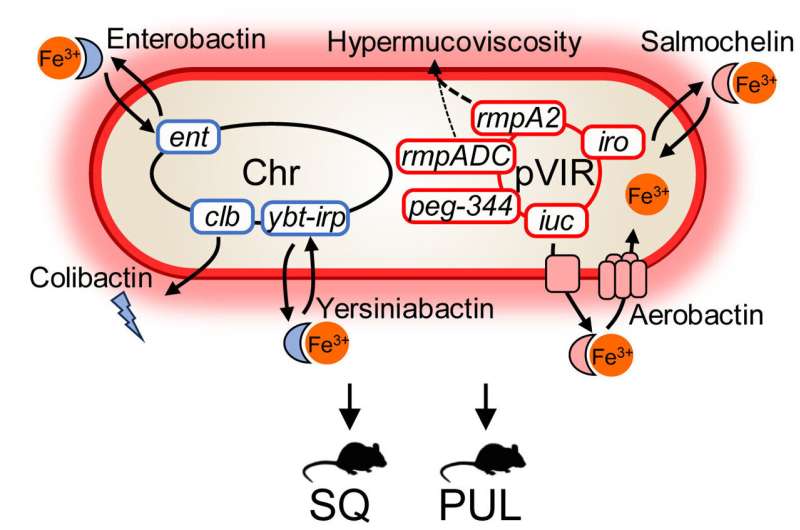
Hypervirulent Klebsiella pneumoniae: Clinical Overview and Emergence
An advanced clinical guide on the microbiology, virulence factors, distinct clinical presentation, and antimicrobial management of emerging Hypervirulent Klebsiella pneumoniae (hvKp) strains.
15 min read30 Osler Points

Neurology|Advanced
Traumatic Brain Injury Management in Resource-Limited Settings
An evidence-based, protocolized guide on the triage, classification, CT scan criteria, and acute resuscitation of traumatic brain injuries according to national guidelines.
25 min read50 Osler Points

Infectious Disease|Advanced
Bundibugyo Virus Disease and Viral Hemorrhagic Fevers
An advanced clinical guide on the epidemiology, transmission dynamics, staged clinical presentation, case management, and Infection Prevention and Control (IPC) hierarchies for Bundibugyo Virus Disease (BDBV) and associated Viral Hemorrhagic Fevers (VHFs).
25 min read50 Osler Points1 linked CMEs
Gynecology/Obstetrics|Advanced
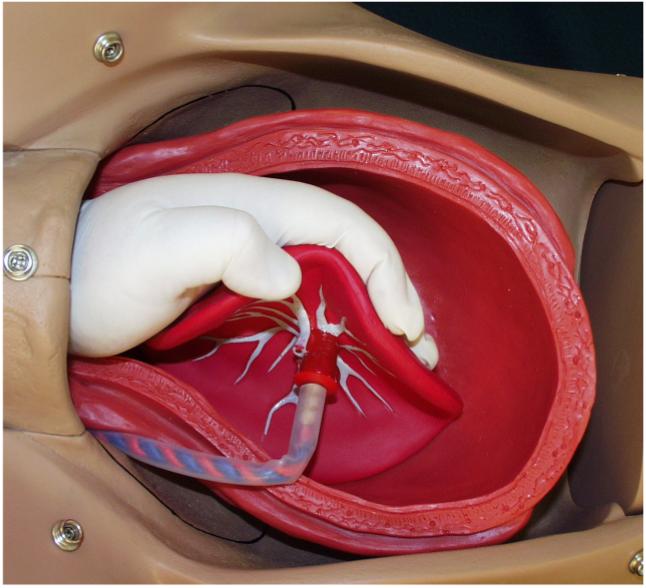
Management of a Retained Placenta
A practical, step-by-step clinical guide for skilled midwives and medical doctors on safely identifying, performing manual removal, and managing the complications of a retained placenta.
15 min read30 Osler Points
Hematology|Intermediate
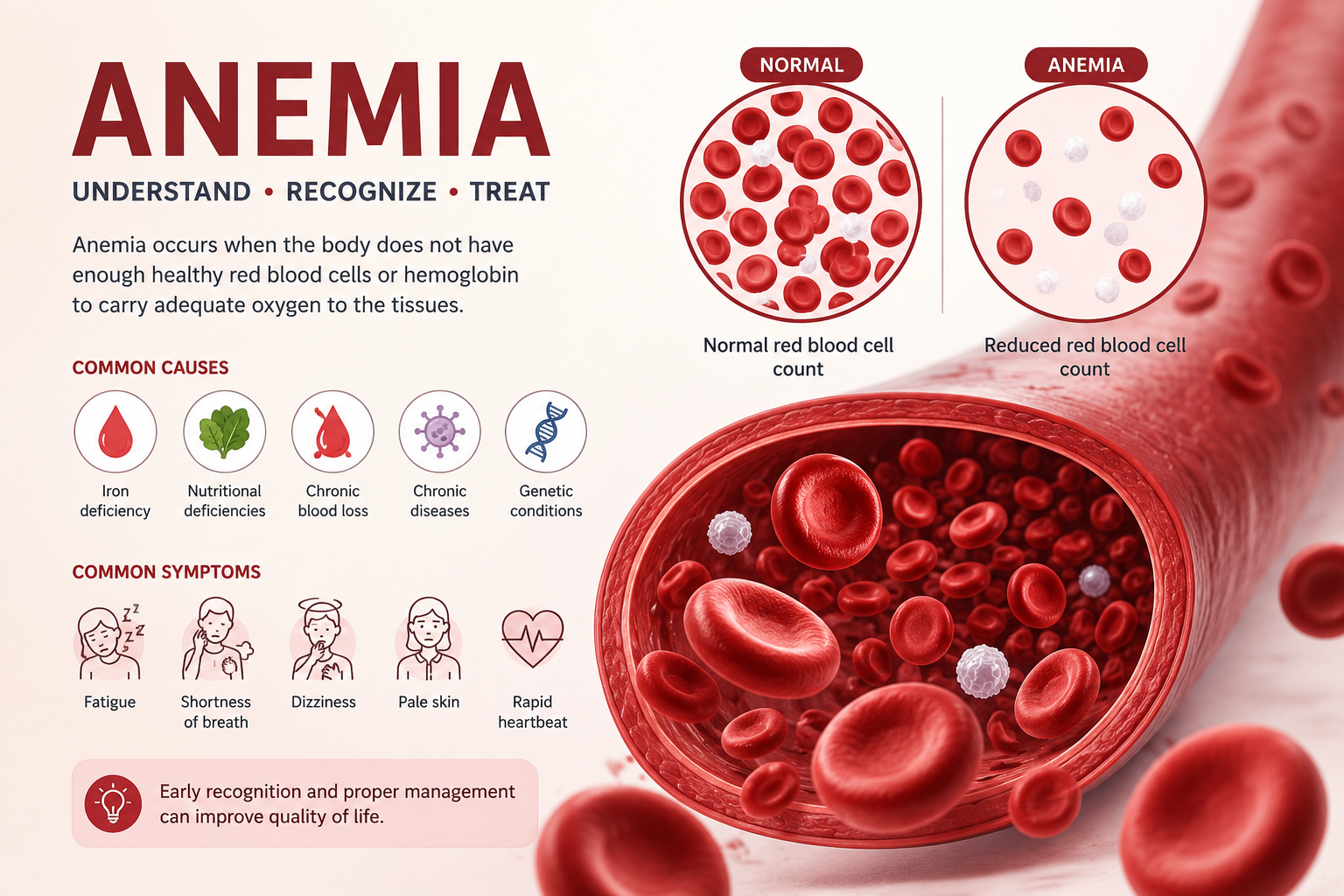
Clinical Overview of Anemia
A comprehensive, evidence-based guide for clinicians on the definitions, morphological and etiological classifications, clinical manifestations, and tailored management of anemia across different patient populations.
20 min read50 Osler Points
Pediatrics|Advanced
Acute Chest Syndrome
A clinical guide on the rapid identification, emergency workup, and multimodal management of Acute Chest Syndrome in pediatric sickle cell patients
15 min read50 Osler Points

Pediatrics|Advanced
Acute Gastroenteritis (AGE) and its Complications
A practical, clinical guide on the evaluation, fluid resuscitation, electrolyte management, and prevention of acute gastroenteritis in pediatric patients.
15 min read50 Osler Points
Gynecology/Obstetrics|Introductory
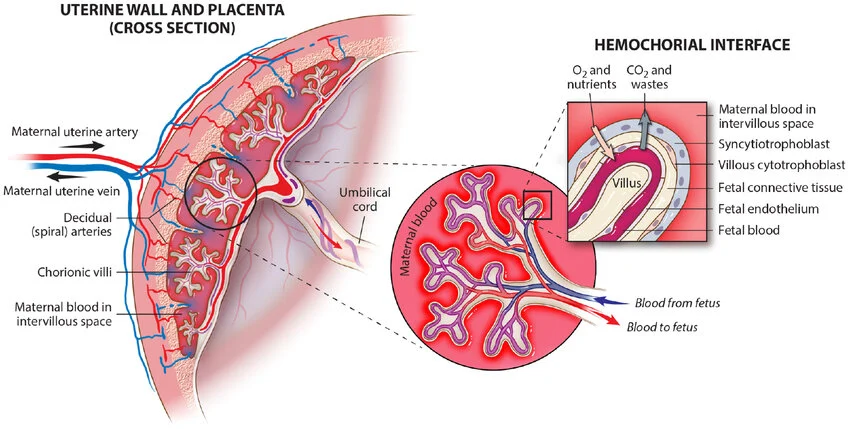
Prevention of PET with Aspirin
A practical, evidence-based guide for obstetric clinicians on utilizing low-dose aspirin prophylaxis to mitigate the risk of Pre-Eclamptic Toxaemia (PET) in high-risk pregnant individuals.
15 min read5 Osler Points1 linked CMEs