1
Introduction
2 min•215 words
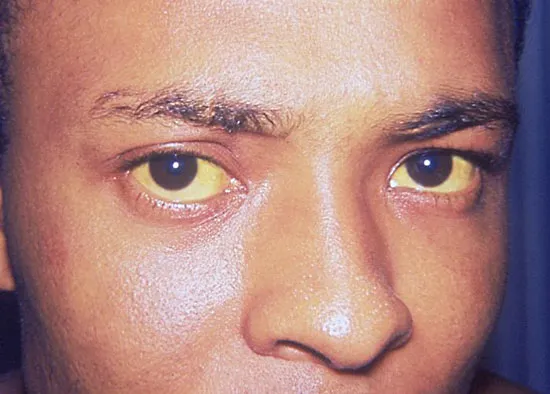
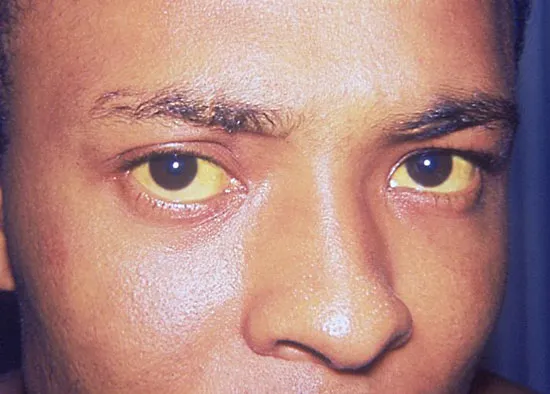
Jaundice is the visible yellow discoloration of the sclera, skin and mucous membranes due to elevated bilirubin. In clinical practice, the crucial question is not simply whether the patient is jaundiced, but why bilirubin is elevated and whether bile flow is obstructed.
Obstructive jaundice occurs when bile cannot flow normally from the liver into the duodenum. This leads to accumulation of conjugated bilirubin in blood, excretion of bilirubin in urine, reduced bile pigments in stool and systemic consequences of cholestasis.
Cholangiocarcinoma is a malignant tumour arising from biliary epithelial cells. It may occur anywhere along the biliary tree: intrahepatic, perihilar or distal extrahepatic bile ducts. When cholangiocarcinoma obstructs major bile ducts, especially at the hepatic duct confluence or distal common bile duct, it commonly presents with progressive jaundice.
The dangerous feature of cholangiocarcinoma is that early symptoms may be vague. Patients may initially complain of abdominal discomfort, dyspepsia, fatigue, poor appetite, itching or mild weight loss. By the time overt jaundice appears, the disease may already be locally advanced.
In low-resource and referral-limited settings, patients may first be treated repeatedly for malaria, hepatitis, typhoid, ulcers, gallstones or herbal-induced liver injury. The clinician must therefore recognize the pattern: progressive jaundice, dark urine, pale stools, pruritus and cholestatic liver enzymes should immediately raise concern for biliary obstruction.
Obstructive jaundice occurs when bile cannot flow normally from the liver into the duodenum. This leads to accumulation of conjugated bilirubin in blood, excretion of bilirubin in urine, reduced bile pigments in stool and systemic consequences of cholestasis.
Cholangiocarcinoma is a malignant tumour arising from biliary epithelial cells. It may occur anywhere along the biliary tree: intrahepatic, perihilar or distal extrahepatic bile ducts. When cholangiocarcinoma obstructs major bile ducts, especially at the hepatic duct confluence or distal common bile duct, it commonly presents with progressive jaundice.
The dangerous feature of cholangiocarcinoma is that early symptoms may be vague. Patients may initially complain of abdominal discomfort, dyspepsia, fatigue, poor appetite, itching or mild weight loss. By the time overt jaundice appears, the disease may already be locally advanced.
In low-resource and referral-limited settings, patients may first be treated repeatedly for malaria, hepatitis, typhoid, ulcers, gallstones or herbal-induced liver injury. The clinician must therefore recognize the pattern: progressive jaundice, dark urine, pale stools, pruritus and cholestatic liver enzymes should immediately raise concern for biliary obstruction.
2
Clinical Features
1 min•4 words
# 6. Clinical Presentation
3
Diagnosis & Workup
1 min•4 words
# 7. Diagnostic Workup
4
Key Pearls & Takeaways
2 min•277 words
1. Dark urine plus pale stool is obstructive jaundice until proven otherwise.
2. Pruritus may precede visible jaundice in cholestasis.
3. A very high ALP and GGT with conjugated hyperbilirubinaemia is a cholestatic pattern.
4. Ultrasound answers the first big question: are the bile ducts dilated?
5. CT and MRI/MRCP answer the next question: where is the obstruction and is it malignant?
6. Perihilar cholangiocarcinoma can cause major jaundice with only a small hilar lesion.
7. A normal or non-dilated distal CBD does not exclude obstruction if the blockage is hilar.
8. CA 19-9 is supportive but not diagnostic, especially in severe jaundice or cholangitis.
9. Do not stop investigating obstructive jaundice just because H. pylori is positive.
10. Haemorrhoids can coexist with cancer; do not blame all bleeding on piles in an older patient.
11. Cholangitis is an emergency: antibiotics plus drainage where possible.
12. Vitamin K can correct cholestasis-related coagulopathy, but persistent INR elevation is worrying.
13. Resectability depends more on anatomy than tumour size alone.
14. Vascular involvement, bilateral ductal spread, metastases and inadequate liver remnant may make surgery impossible.
15. Early referral is not weakness; it is good medicine. Delayed referral converts difficult cases into impossible ones.
16. In obstructive jaundice, always think like a surgeon, radiologist and physician at the same time.
17. The question is not only “what is the diagnosis?” but also “is this patient drainable, resectable, infected, bleeding, malnourished or dying?”
18. The common trap is treating “yellow eyes” as hepatitis without checking for obstruction.
19. Another trap is treating dyspepsia while missing progressive cholestasis.
20. The best case discussion links symptoms, bilirubin physiology, imaging anatomy and management decisions.
2. Pruritus may precede visible jaundice in cholestasis.
3. A very high ALP and GGT with conjugated hyperbilirubinaemia is a cholestatic pattern.
4. Ultrasound answers the first big question: are the bile ducts dilated?
5. CT and MRI/MRCP answer the next question: where is the obstruction and is it malignant?
6. Perihilar cholangiocarcinoma can cause major jaundice with only a small hilar lesion.
7. A normal or non-dilated distal CBD does not exclude obstruction if the blockage is hilar.
8. CA 19-9 is supportive but not diagnostic, especially in severe jaundice or cholangitis.
9. Do not stop investigating obstructive jaundice just because H. pylori is positive.
10. Haemorrhoids can coexist with cancer; do not blame all bleeding on piles in an older patient.
11. Cholangitis is an emergency: antibiotics plus drainage where possible.
12. Vitamin K can correct cholestasis-related coagulopathy, but persistent INR elevation is worrying.
13. Resectability depends more on anatomy than tumour size alone.
14. Vascular involvement, bilateral ductal spread, metastases and inadequate liver remnant may make surgery impossible.
15. Early referral is not weakness; it is good medicine. Delayed referral converts difficult cases into impossible ones.
16. In obstructive jaundice, always think like a surgeon, radiologist and physician at the same time.
17. The question is not only “what is the diagnosis?” but also “is this patient drainable, resectable, infected, bleeding, malnourished or dying?”
18. The common trap is treating “yellow eyes” as hepatitis without checking for obstruction.
19. Another trap is treating dyspepsia while missing progressive cholestasis.
20. The best case discussion links symptoms, bilirubin physiology, imaging anatomy and management decisions.
0/4